Eleven bags of rope: what the beach cleans are actually telling us
3 July 2026
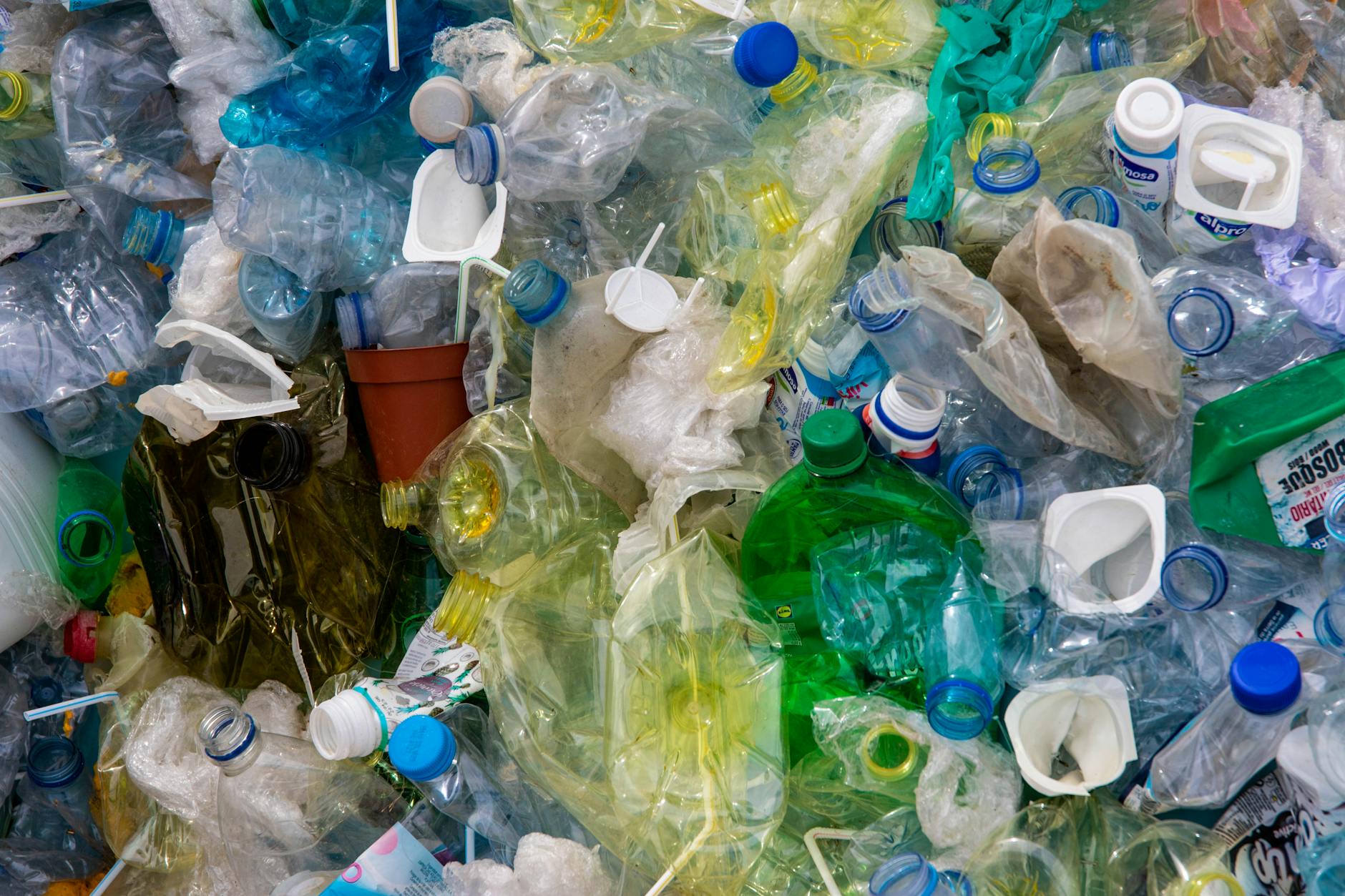
On the first Sunday of every month, an hour before the session, a small crowd in wellies and wetsuits works the tideline with grabbers and bags. Last month we filled eleven. Here's what a year of beach cleans has actually taught us.
It's not what you'd expect. People imagine crisp packets and bottles, and yes, there are plenty. But the bulk of what we carry off this beach is fishing industry offcuts: rope ends, net fragments, and endless strands of dolly rope — the blue plastic fibres that protect trawl nets and shred into the sea by design. It arrives on every big swell, and it doesn't stop.
Winter is worse than summer. The obvious guess is that holiday crowds equal litter, and August does bring its share. But the heavy hauls come in January and February, when storm after storm combs the seabed and throws decades of debris back at the land. The eleven-bag month? That was after a fortnight of westerly gales.
Small stuff matters most. A bag of rope looks impressive in a photo. The stuff that worries us is the confetti — nurdles and fragments the size of a fingernail, right in the strandline where the sandhoppers live. That's why we do a slow pass, not a quick sweep. It's also why we'll take twenty minutes of your time over a grand gesture, every time.
And the bit about us. The cleans started as a worthy chore and turned into one of the best hours in the club calendar. There's something levelling about the tideline — committee members, kids, and dawn-patrol veterans all bent double over the same patch of sand, comparing finds like beachcombers. The bacon rolls afterwards do no harm either.
First Sunday of the month, 9am, by the club flag. Bring gloves if you have them. We have spares of everything else, including the rolls.